Protect yourself from fraud: We will never ask for your password, PIN, or one-time passcode. If something seems suspicious, contact Horizon Bank directly.
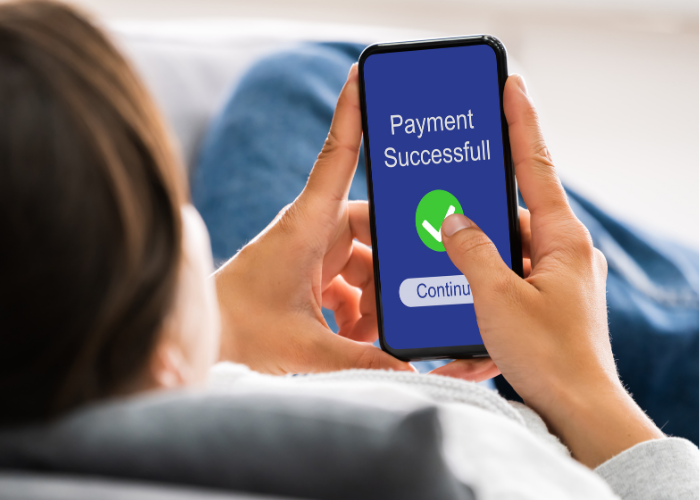
Scammers trick you into sending money through apps like Zelle, Venmo, or Cash App by pretending to be your bank, a company you trust, or even a friend or family member. Since these payments happen instantly and are treated like cash, they’re nearly impossible to reverse once sent. A common tactic is a fake fraud alert that prompts you to “verify” a transaction—ironically, by sending money to the scammer.
A “bank representative” calls or texts and asks you to send money to yourself or “reverse” a fraud charge
You're asked to pay for goods/services with Zelle or Venmo, especially from someone you don’t know personally
Messages that create urgency—like threats to freeze your account or offers that “expire in 10 minutes”
How to Protect Yourself
Never send money to someone you don’t know personally
If you get a suspicious fraud alert or call, hang up and call your bank directly
Banks will never ask you to send money to yourself or anyone to “fix” fraud
Treat Zelle, Venmo, and Cash App like cash—if you wouldn’t hand someone a $100 bill, don’t send it digitally
Enable alerts for all payment activity so you know what’s happening in real time
ATM & Debit Card Fraud
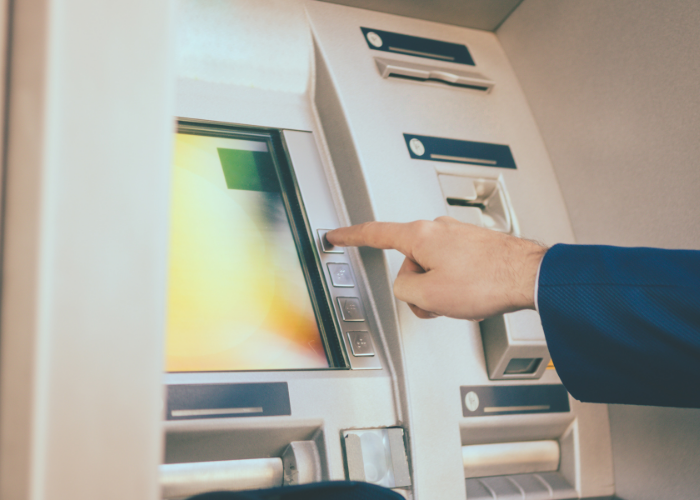
Criminals install devices like skimmers or fake keypads on ATMs, gas pumps, and card readers to steal your card information and PIN. Once they have it, they can clone your card and make unauthorized purchases or withdrawals. Some scammers may also "shoulder surf" to catch your PIN or pose as helpful strangers when a machine malfunctions.
ATM card reader looks loose, misaligned, or discolored
Keypad feels thick or unresponsive—could be a fake overlay
Stranger offers help after your card gets “eaten” by a machine
You receive fraud alerts or notice unauthorized charges shortly after using an ATM or gas pump
How to Protect Yourself
Shield the keypad when entering your PIN, even indoors
Use ATMs in well-lit, high-traffic areas (preferably inside a bank)
Avoid machines that look tampered with or have parts that move unnaturally
Check your statements and banking app regularly for unauthorized activity
Report lost or stolen cards to your bank immediately and freeze the card if your bank offers the option
Think Before You Zelle. Scammers Hope You'll Hit “Send.”
Zelle® moves money almost instantly - but once it’s gone, there’s no “undo.” Always double-check who you’re paying with Zelle. If you don’t know them personally, it could be a scam.
Fake Check Scams
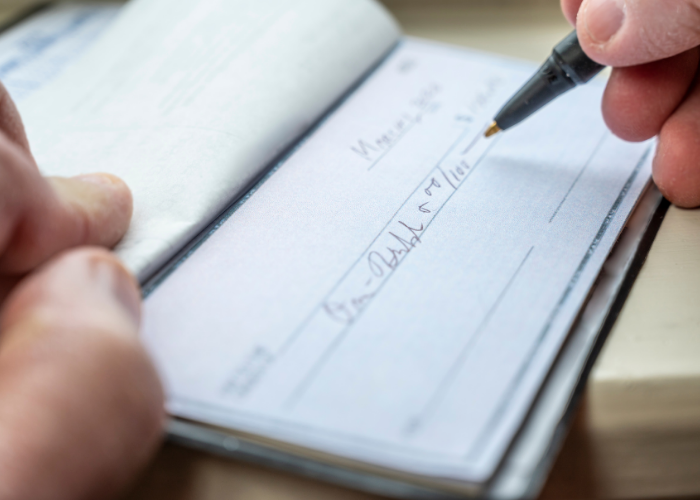
You receive a check that looks legitimate—maybe for a job, an online sale, or a sweepstakes win. You're asked to deposit it and then send part of the money back using cash, a wire transfer, or a payment app. The check clears at first, but days (or even weeks) later, it bounces—and you're left responsible for the full amount.
Someone sends you a check that’s more than the amount you’re owed
You’re asked to send money back using Zelle, gift cards, or a wire transfer
The sender creates urgency: “Send the money today to secure your job/prize/etc.”
The check is for something unusual—like mystery shopping or helping someone move money internationally
How to Protect Yourself
Never deposit a check from someone you don’t know and then send money back
Real employers and businesses don’t overpay and ask you to refund the difference
Don’t share your bank account details with strangers for payments or “transfers”
If it seems too good to be true—it is. Always verify with your bank before acting on a large or unexpected check
Wire Transfer Fraud
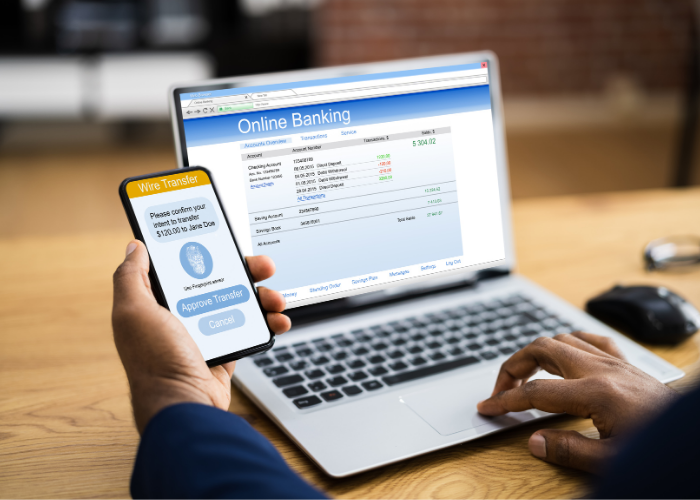
Fraudsters often pose as vendors, real estate agents, or even executives from your own company, sending emails or messages with updated “wire instructions.” These can look completely legitimate—but the new account info routes the funds straight to a scammer. Once the wire is sent, it’s nearly impossible to reverse. This scam is common in business settings but also targets consumers during major transactions like buying a home.
You’re asked to wire funds urgently due to a “change” in account details
The sender uses a free email service like Gmail or Yahoo instead of a business address
Wire instructions are emailed without a phone call or in-person confirmation
The tone or grammar feels slightly off, even from someone you know
How to Protect Yourself
Always call the recipient using a known number to confirm wire instructions—never rely on email alone
Never wire money based solely on an email, even if it looks real
Be suspicious of urgency or secrecy in any wire transfer request
Use account alerts to monitor large outgoing transfers and flag unusual activity
Businesses: set up dual control for wire approvals (two-person authorization)
WHAT TO DO IF YOU ARE A VICTIM
Call us immediately so they can close your accounts.
Contact the fraud unit of the three credit reporting agencies. Place a fraud alert on your credit report and consider placing a credit freeze so the criminal can’t open new accounts. The fraud unit numbers are:
Make sure to maintain a log of all the contacts you make with authorities regarding the matter. Write down names, titles and phone numbers in case you need to re-contact them or refer to them in future correspondence.
Unfortunately, probably not. Zelle, Venmo, and similar services process payments instantly, and most transactions are treated like cash. Always double-check who you’re sending money to—if you don’t know them personally, it’s safest not to send.
It’s a common misunderstanding. Even if a fake check “clears” initially, your bank can reverse the funds days or weeks later. You are legally responsible for any check you deposit, even if it was part of a scam.
Look for signs like loose, misaligned, or discolored card slots, unusually bulky keypads, or anything that seems out of place. If anything looks suspicious—don't use the machine and report it immediately.
Contact your bank immediately. In some cases, there may be a short window to attempt a recall—but time is critical. Also file a complaint with the FBI’s Internet Crime Complaint Center (IC3.gov).
Yes. If anyone asks you to pay for something using gift cards, it’s almost certainly a scam. Legitimate companies and banks will never ask for gift card codes as payment.